
The world of artificial intelligence is changing. You don't have to rely on big cloud servers anymore. By choosing to run AI locally, you keep your data safe on your own machine.
Google Gemma 4 is a standout model for high-performance tasks. This free AI assistant is great for those who value privacy most.
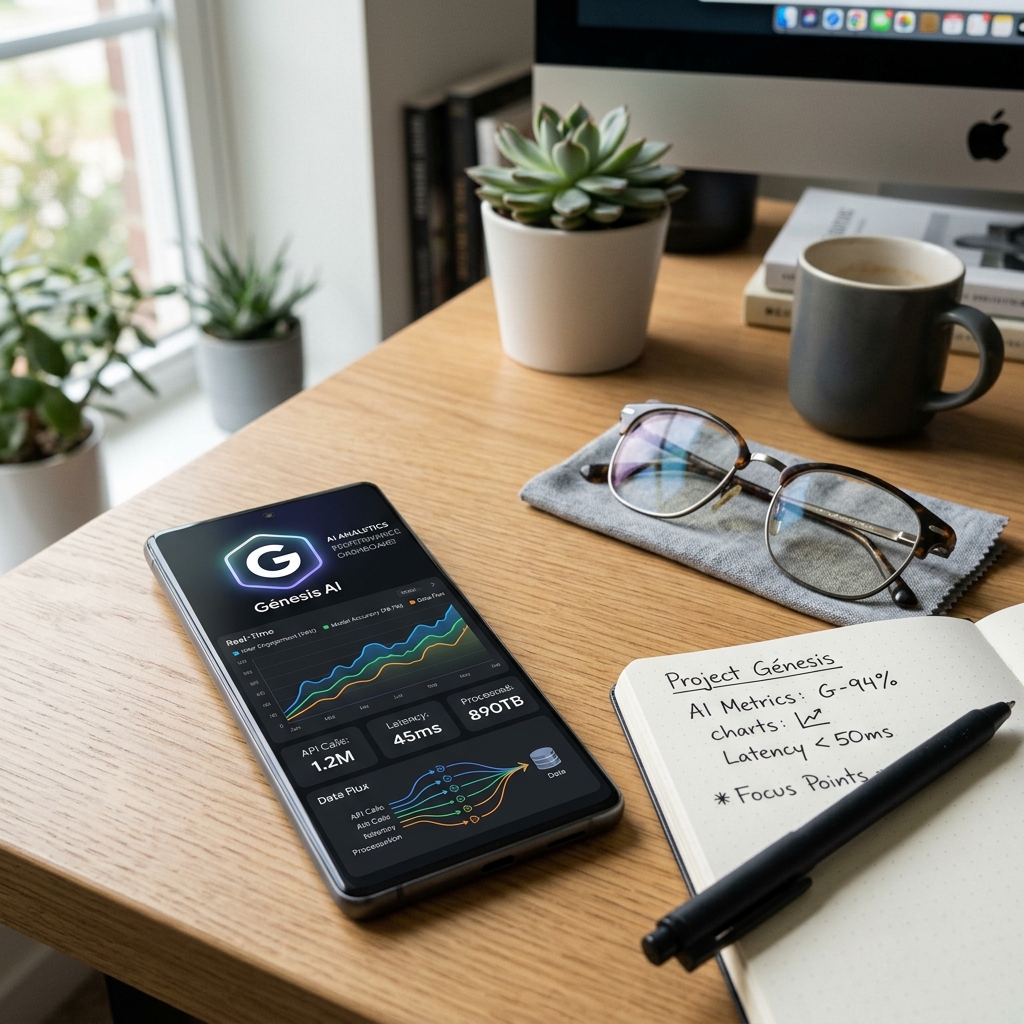
This tech lets you work offline, without needing the internet. You don't need an account to use it, so you can stay anonymous. Using Local AI is smart for keeping your digital work safe and secure.
Key Takeaways
- Run advanced models directly on your personal computer hardware.
- Enjoy total data privacy by keeping all processing offline.
- Access powerful reasoning capabilities without any cloud subscriptions.
- Eliminate the need for accounts or external logins to use tools.
- Maintain full control over your digital environment and information.
Understanding the Power of Google Gemma 4
The world of artificial intelligence is moving towards local hardware. Google Gemma 4 is at the forefront of this change. It brings advanced model architecture right to your desktop. This means you don't need to be always connected to the cloud.
This tool offers control that was once only for big companies. It's a game-changer for how we work and create.
Google Gemma 4 is a top-notch free AI assistant that doesn't sacrifice performance. It balances efficiency with smart thinking. This makes it great for coding, writing, or data analysis.
https://www.youtube.com/watch?v=3El9e8zJuyg
Many people are choosing Google Gemma 4 for its focus on privacy and speed. Using a free AI assistant means your data stays on your machine. This is a big plus for projects that need to be kept private.
As one expert said:
"The future of artificial intelligence is not just in the cloud; it is in the hands of the user, running locally on hardware that respects privacy and provides instant results."
The tech behind Google Gemma 4 is made for today's computers. It uses smart methods to work well even on basic setups. By picking Google Gemma 4, you're getting a tool that adapts to your growing needs.
Comparing Google Gemma 4 vs ChatGPT
Google Gemma 4 and ChatGPT differ mainly in where your data is stored. ChatGPT uses cloud servers, while Google Gemma 4 runs on your device. This change impacts how we view AI privacy and data control in our digital lives.

Key Differences in Privacy and Accessibility
Running a model locally offers big benefits. You get offline access, making your tools work without the internet. Plus, you don't need an account, keeping your data private from companies.
"True digital sovereignty begins when the tools you use are as private as the thoughts you keep."
Using your device for AI tasks boosts AI accessibility for private work. You can handle confidential documents safely, without fear of data breaches. This level of AI privacy is not available with online tools that need constant internet.
Feature Comparison Table
The table below shows the main differences between these two options. Your choice depends on whether you want ease or control over your data.
| Feature | Google Gemma 4 | ChatGPT |
|---|---|---|
| Processing Location | Local Hardware | Cloud Servers |
| Offline Access | Full Support | Not Available |
| Account Requirement | None | Required |
| Data Privacy | High (Local) | Variable (Cloud) |
Preparing Your Hardware for Local AI
Your hardware setup is key for a smooth experience with large language models. Running these systems needs specific resources to avoid slowdowns. Make sure your machine can run AI locally without issues.

Minimum System Requirements
To start with basic models, your computer needs a solid foundation. You should have a modern multi-core processor, like an Intel Core i5 or an AMD Ryzen 5. Also, at least 16GB of system RAM is needed to handle the model's memory.
Storage is also crucial. You need at least 20GB of free space on an SSD. Loading models from a traditional hard drive will slow you down. These specs help run smaller, quantized versions of models well.
Recommended GPU and RAM Configurations
For the best local AI experience, a dedicated graphics card is a must. GPU acceleration boosts inference speeds, making text generation fast. An NVIDIA GPU with at least 8GB of VRAM is recommended for a smooth experience.
For running larger or more complex models, more VRAM is key. A powerful GPU with 32GB of system RAM is ideal for multitasking. The table below shows the recommended hardware for different needs.
| Performance Tier | Recommended GPU VRAM | System RAM | Best For |
|---|---|---|---|
| Entry Level | 6GB - 8GB | 16GB | Basic chat and testing |
| Mid-Range | 10GB - 12GB | 32GB | Coding and creative writing |
| High-End | 16GB+ | 64GB | Complex reasoning and data analysis |
Step 1 Installing Ollama for Model Management
Starting your local AI journey is easy with a simple Ollama installation. This tool is key for managing your model management. It lets you run AI models on your own device, not in the cloud.
Setting up this foundation makes sure your system is ready for LLM deployment. It doesn't matter if you're a developer or just starting out. A clean setup is the first step to using your machine's full power.
Downloading the Ollama Installer
First, go to the official website to get the latest software. The installer works well on Windows, macOS, and Linux.
After downloading, just run the file and follow the instructions. It's designed to be easy, so you don't need to be tech-savvy.
Configuring Environment Variables
After setting up, you might want to tweak your environment variables. This is useful if you need to change where models are stored or the network port.
Most users find the default settings work well for LLM deployment. But, advanced users might want to customize to keep things organized and efficient as their model collection grows.
Don't forget to restart your terminal or command prompt after making these changes. This makes sure your system uses the new settings and works efficiently.
Step 2 Downloading and Running Google Gemma 4
You're just a few keystrokes away from running Google Gemma 4 locally. This final step of your LLM deployment makes sure the model is downloaded and ready for use on your device.
Executing the Pull Command
First, open your command-line interface. You'll need to enter specific terminal commands to download the model files from the repository.
Just type this command and hit Enter: ollama run gemma4. This command starts the download, which might take a few minutes based on your internet speed.
Interacting with the Model via Terminal
After the download is complete, the interface will switch to an interactive chat mode. You can start typing your questions or prompts in the window. See how Google Gemma 4 answers you in real-time.
This easy way to LLM deployment means no need for complex graphical interfaces. By learning these basic terminal commands, you control your local AI experience. You can start generating text or code right away.
Optimizing Performance and Integrating OpenClaw
To get the most out of your local AI setup, you need to work on AI performance optimization. A few tweaks can turn a basic setup into a lightning-fast machine. It will answer your questions quickly.
Fine-Tuning for Faster Response Times
Boosting speed starts with AI model fine-tuning. By setting your system to focus on certain tasks, you cut down on wait times. This is especially true for complex tasks.
Using GPU acceleration is key for handling big tasks. It moves heavy work to your graphics card. This lets your CPU handle other tasks, making everything run smoother.
- Make sure your GPU drivers are up to date.
- Have enough VRAM to avoid memory problems.
- Use quantization to make models smaller without losing quality.
Enhancing Workflow with OpenClaw
Improving your daily work with the model is easier with OpenClaw integration. It connects your local setup to your most common tasks. This makes managing complex workflows simpler.
OpenClaw also helps with AI troubleshooting. It has tools to quickly find and fix problems. For more on OpenClaw, check out our detailed article. It shows how to make your AI workflow better.
Consistency is key for a reliable local AI system. By combining fast hardware with smart software, you build a setup that meets your growing needs.
Conclusion
Running models on your own hardware gives you full control over your digital space. Local AI helps you keep your data safe and private. This is the future of AI for those who value security and performance.
Keeping your work offline has many benefits. You save money on subscription fees and own your data completely. This way, your personal information stays safe on your machine.
Does Gemma 4 cost money?
No, Google offers Gemma 4 for free. You don't have to pay any fees to use it on your hardware.
Can I run it on Windows?
Yes, Gemma 4 works great on Windows. You can easily set up your environment using the tools provided.
Is it as good as ChatGPT?
Gemma 4 is very good at many tasks. While cloud services have their own benefits, local models offer the best privacy. Now, you can create a powerful, private, and efficient workspace.
FAQ
Does Google Gemma 4 cost money to use?
No, it's free! Google Gemma 4 is a free, open-weights large language model. You can download and run it on your own hardware without any usage fees.
Can I run Google Gemma 4 on a Windows computer?
Yes, you can! The Ollama installation process makes it easy to run Google Gemma 4 on Windows, macOS, and Linux. This makes AI accessible to users on different operating systems.
Is Google Gemma 4 as good as ChatGPT?
Google Gemma 4 is a powerhouse for its size. It offers high-performance reasoning and text generation. The main difference is that Gemma 4 provides offline access and total privacy, while ChatGPT requires an internet connection and an account.
Do I need an internet connection to use this AI?
Only for the initial download! After that, you have full offline access. This is great for users who need to work in remote locations or want to keep their data private.
What kind of hardware do I need for a smooth experience?
For a reliable AI setup, a computer with a modern NVIDIA GPU is recommended. Also, having 16GB or more of RAM ensures fast and responsive model inference without slowing down other applications.
Is my data private when using Google Gemma 4?
Yes, privacy is a strong feature of local AI. Your prompts and data are never sent to a server. With no account needed, you maintain 100% AI privacy and control over your intellectual property.
How can I make the model run even faster?
To boost speeds, consider AI model fine-tuning or hardware optimizations. Also, using tools like OpenClaw can help streamline tasks and improve your interaction with the model via the terminal.